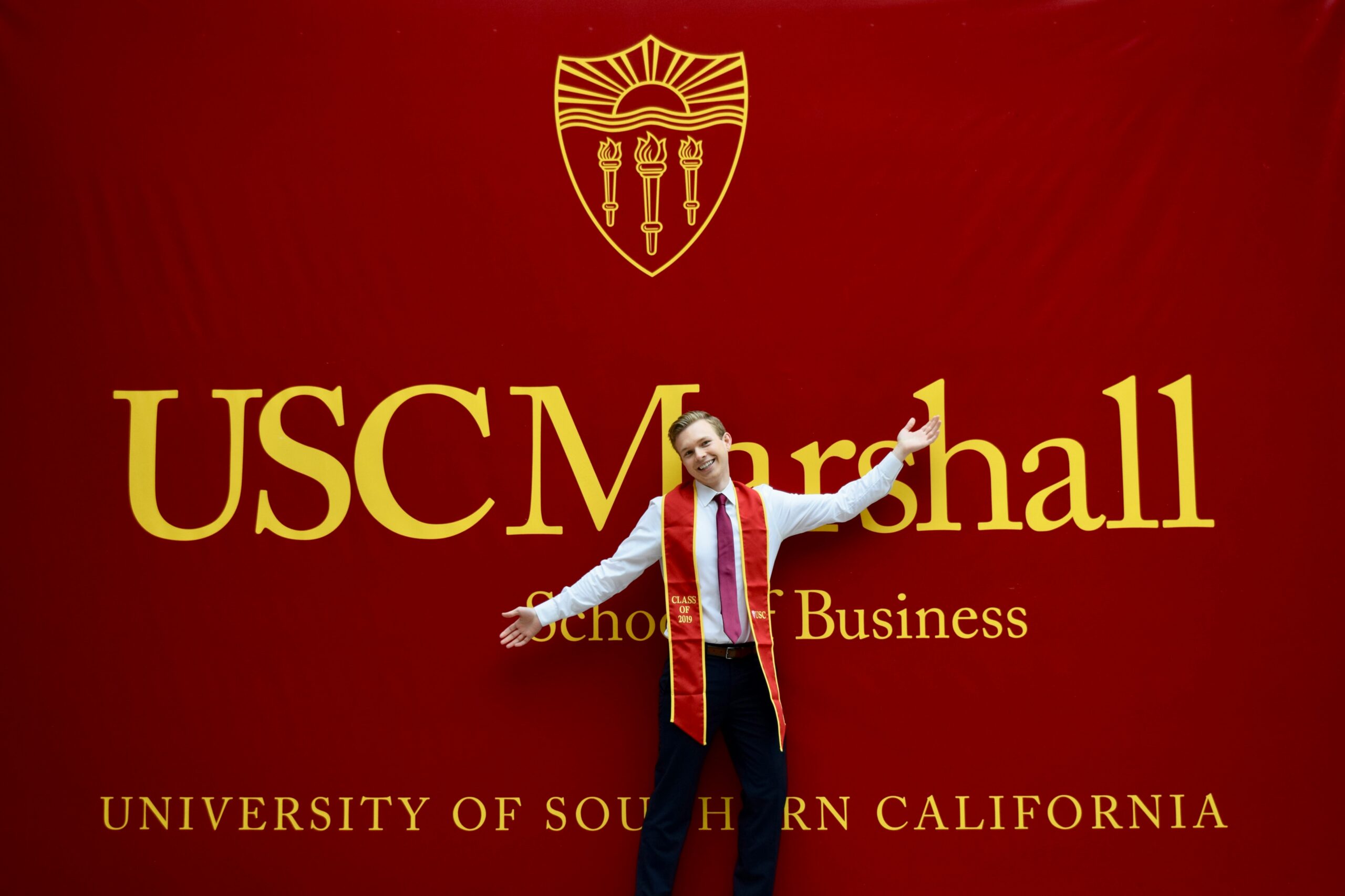
Serving as a faculty member at the University of Southern California is a multifaceted professional experience that blends teaching, research, mentorship, and service. USC is recognized globally for its academic excellence, innovation, and strong connections to industry and society. Professors at this institution operate in an environment that demands intellectual rigor while offering remarkable opportunities for impact, collaboration, and personal growth.
Academic life at USC is shaped by high expectations and a culture that values contribution beyond the classroom. Faculty members are not only responsible for educating students but also for advancing knowledge, mentoring future leaders, and strengthening the university’s role in addressing real-world challenges. This balance makes working at USC both challenging and deeply fulfilling.
The Academic Culture and Institutional Vision
USC fosters an academic culture that encourages innovation, interdisciplinary collaboration, and global engagement. Professors work within a framework that supports both traditional scholarship and forward-thinking research. The university’s mission emphasizes creating knowledge that benefits society, which shapes how faculty approach both teaching and research.
The institutional vision also values collaboration over isolation. Faculty members are encouraged to engage across schools and departments, creating opportunities to address complex issues from multiple perspectives. This collaborative spirit enhances intellectual creativity and strengthens the academic community as a whole.
Teaching Philosophy and Classroom Responsibilities
Teaching remains a central pillar of faculty life at USC. Professors are expected to deliver high-quality instruction that challenges students while supporting diverse learning needs. Courses are designed to promote critical thinking, analytical skills, and practical application of knowledge.
USC classrooms are often interactive and discussion-driven. Faculty members encourage students to engage with ideas, question assumptions, and collaborate with peers. This approach helps students develop confidence and prepares them for professional and academic environments beyond graduation.
Curriculum Development and Innovation
Professors at USC play an active role in shaping the curriculum. Course design involves aligning learning objectives with evolving industry standards and academic advancements. Faculty regularly update syllabi to reflect new research, technologies, and societal trends.
Curriculum innovation is strongly supported. Professors may introduce experiential learning opportunities, project-based assignments, and interdisciplinary modules. These efforts ensure that education remains relevant and responsive to a rapidly changing world.
Research Expectations and Scholarly Contribution
Research is a defining aspect of academic life at USC. Faculty members are encouraged to pursue original scholarship that contributes meaningfully to their disciplines. This may include empirical research, theoretical work, creative projects, or applied studies, depending on the field.
USC provides extensive support for research activities through grants, research centers, and administrative resources. Professors often collaborate with colleagues, graduate students, and external partners to expand the reach and impact of their work. The expectation is not only to publish but to produce scholarship that influences thought, policy, or practice.
Mentoring Students at Undergraduate and Graduate Levels
Mentorship is a vital responsibility for USC faculty. Professors guide students through academic decisions, research opportunities, and career planning. These relationships often extend beyond formal advising, creating long-term professional connections.
Graduate mentorship is particularly significant, as faculty supervise theses, dissertations, and research projects. Supporting students through these intensive processes requires dedication and individualized guidance. For many professors, mentorship is one of the most rewarding aspects of their role.
Balancing Teaching, Research, and Service
One of the most complex aspects of being a professor at USC is managing multiple responsibilities simultaneously. Teaching preparation, research deadlines, and service commitments often overlap. Faculty members must develop strong time-management strategies to maintain productivity and well-being.
Service responsibilities include committee participation, program development, and contributions to professional organizations. While service can be demanding, it allows professors to influence institutional direction and contribute to the broader academic community. Achieving balance requires planning and clear prioritization.
Professional Development and Career Progression
USC offers structured pathways for faculty advancement, including promotion and tenure processes. These evaluations consider teaching effectiveness, research productivity, and service contributions. The standards are rigorous, reflecting the university’s commitment to excellence.
Interdisciplinary Collaboration and Industry Engagement
A defining feature of USC is its strong connection to industry and community partners. Professors frequently collaborate with organizations in technology, healthcare, media, and public policy. These partnerships enrich research and provide students with real-world learning opportunities.
Interdisciplinary collaboration is also highly valued. Faculty members work across fields to address complex challenges that cannot be solved within a single discipline. This collaborative environment enhances innovation and broadens the scope of academic inquiry.
Diversity, Equity, and Global Perspective
USC’s commitment to diversity and inclusion shapes faculty experiences. Professors teach students from varied cultural, socioeconomic, and international backgrounds. This diversity enriches classroom discussions and challenges faculty to adopt inclusive teaching practices.
A global perspective is integral to the university’s mission. Many professors engage in international research, global programs, and cross-border collaborations. This global engagement enhances scholarship and prepares students to operate in an interconnected world.
Technology and Modern Academic Practices
Technology plays an essential role in USC faculty members’ daily work. Digital tools support teaching through learning management systems, multimedia resources, and online collaboration platforms. These technologies enhance students’ accessibility and engagement.
In research, advanced technologies enable sophisticated data analysis, simulation, and creative production. Faculty benefit from access to state-of-the-art facilities and technical support. Embracing technology allows professors to remain competitive and innovative in their fields.
Work-Life Integration and Personal Well-Being
Balancing professional responsibilities with personal life is an ongoing challenge in academia. Professors at USC often face demanding schedules, particularly during academic terms and research deadlines. Establishing boundaries and maintaining self-care are essential for long-term sustainability.
Despite these challenges, many faculty members find deep fulfillment in their work. The opportunity to teach motivated students, contribute to knowledge, and engage in meaningful inquiry provides a strong sense of purpose. This fulfillment often outweighs the pressures associated with academic life.
The Broader Impact of Faculty Work
Faculty contributions at USC extend beyond campus. Research influences policy, industry practices, and public understanding. Teaching shapes future professionals and leaders who carry USC’s values into diverse fields.
Faculty work reaches international audiences, enhancing both personal and institutional influence. This broader reach adds significance to the daily efforts of teaching, research, and service.
Reflecting on the Academic Experience
It demands intellectual discipline, adaptability, and commitment to students and scholarship. For those passionate about education and discovery, the role offers a unique platform to make a lasting difference.
The academic journey at USC is not static. It evolves with new ideas, collaborations, and opportunities. Professors who embrace this evolution find a career that is both demanding and deeply rewarding, shaped by the pursuit of knowledge and the responsibility of guiding future generations.